 Emergency care: If you are experiencing a life-threatening emergency, please continue to call 999 as normal.
 Hospital appointments: Patients should continue to attend planned appointments unless contacted directly by their care team.
 Non-emergency care: If you need urgent medical advice but it is not a life-threatening emergency, please continue to use NHS 111.
 Contacting our services: Some email communications and online services may be affected. If your enquiry is urgent, please contact the relevant service by telephone rather than email where possible.

Publish date: 3 September 2024
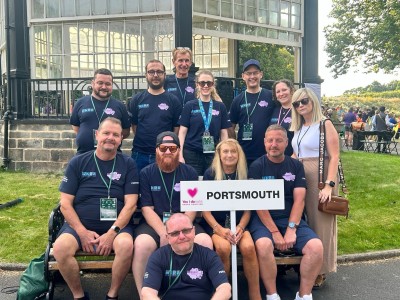
The Transplant Games began 46 years ago in Portsmouth, when surgeon Maurice Slapsak organised a “Transplant Olympics” with just 99 participants. This year’s event was the largest to date with over 2,500 participants, including live donors, donor families and supporters, and 1,000 transplant recipients.
Portsmouth’s team made waves in the pool, collecting five gold medals across various distances and disciplines with the other three gold medals coming in track and field for high jump, javelin and shot put.
The aim, as it was back in 1978, continues to be to demonstrate the benefits of transplantation, encouraging transplant patients to regain their fitness. whilst increasing public awareness of the need for more people to join the NHS Organ Donation Register and discuss their wishes with their families. The games also seek to thank and celebrate donor families and the gift of life.
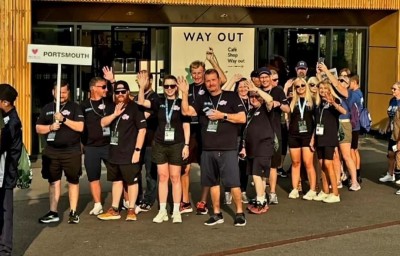
Team Manager for Portsmouth, Pam Nye said: “The games offer the opportunity for athletes who have all received a donated organ to get together and give each other peer support away from the hospital setting. I am very proud to be given the honour of being the Team Manager for such amazing group of people. The greatest joy of being team manager is seeing the comradery of a group of people who have not met before being given the opportunity to mix and socialise together in an environment where everyone feels comfortable and equal.”
Planning is now underway for team Portsmouth to attend the next Games, which will be held in Oxford in 2025. For more information on the British Transplant Games and how you can get involved, visit: https:/